


Thailand to India Container Shipping

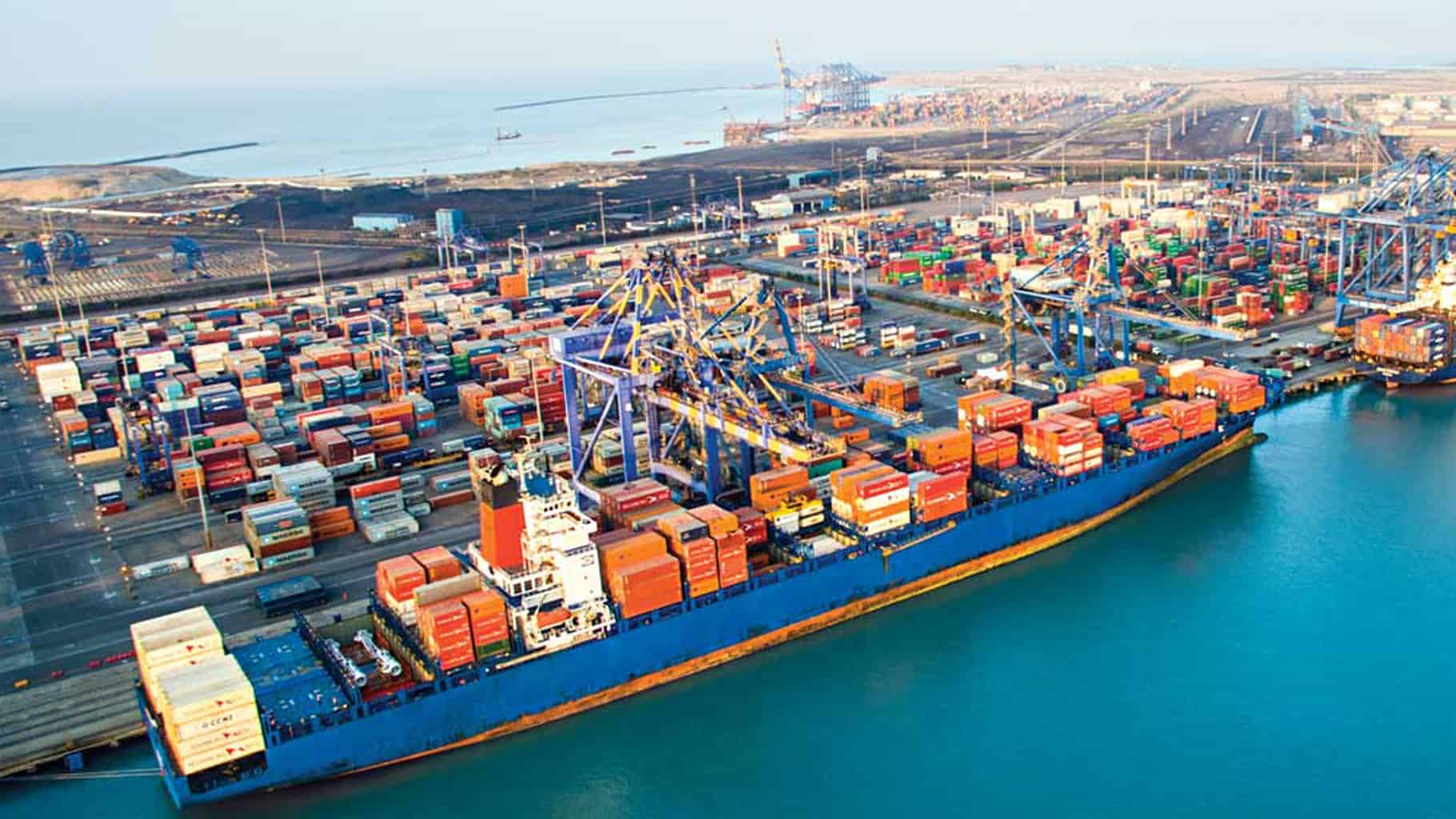
Shipping containers from Thailand to India plays a vital role in sustaining trade across key sectors — automotive components, electronics, food processing, textiles, and consumer goods. Given the growing bilateral trade volumes, selecting the right logistics strategy can dramatically influence delivery time, freight cost, and cargo safety. At ASIANIA LOGISTIKA PRIVATE LIMITED, we do more than ship — we manage, optimize, and secure your cargo from origin to destination. Whether it’s a single FCL or weekly consolidated LCL shipments, our freight expertise ensures your supply chain flows smoothly. Fact: India imports over $12 billion worth of goods from Thailand annually — including auto parts, rubber products, electronics, seafood, and more. Container shipping is essential for bridging these trade flows efficiently.

Average Shipping Cost for Containers from Thailand to India

Here’s a breakdown of typical ocean freight rates based on current market conditions:

Container Type

Average Freight Cost Estimate

20-ft FCL

$1150 – $1500

40-ft FCL

$1800 – $2400

LCL (Less-than-Container Load, per CBM)

$35 – $50

Typical Transit Times Between Thailand and India

Transit time varies by port of loading and destination. Here's a quick reference:

Departure Port (Thailand)

Arrival Port (India)

Typical Transit Time

Laem Chabang (Bangkok)

Nhava Sheva (Mumbai)

10–14 days

Laem Chabang (Bangkok)

Chennai

12–16 days

Songkhla

Cochin

14–18 days

Note: Customs clearance and final-mile delivery in India may add 1–2 days depending on the consignee location and cargo type.

Factors Affecting Container Shipping Costs

d

Route and Port Congestion

Laem Chabang to Nhava Sheva is the most preferred route, but congestion can occur during Diwali or Thai New Year.

d

Cargo Type

Standard dry containers are cheapest. Refrigerated (reefer), hazardous, or oversized cargo will incur extra handling charges.

d

Fuel Surcharges

BAF (Bunker Adjustment Factor) and CAF (Currency Adjustment Factor) can fluctuate monthly depending on oil prices and currency exchange rates.

d

Handling Requirements

Fragile, hazardous, or perishable goods may require special loading/unloading arrangements, impacting total shipping costs.

Seasonality

Peak seasons such as Songkran (Thailand), Diwali (India), and Chinese New Year tend to drive up rates and reduce vessel space availability.
Insider Tip: Booking shipments 2–3 weeks in advance during peak season helps avoid premium surcharges and rollover risk.

Impact of Shipping Routes on Cost and Efficiency

Route selection plays a crucial role in overall shipping performance:

  • Laem Chabang → Nhava Sheva (Mumbai): Fast, cost-effective, ideal for general goods and electronics.
  • Bangkok → Chennai: Reliable for automotive, pharma, and packaging cargo.
  • Laem Chabang → Mundra: Excellent for textiles, furniture, and FMCG shipments.

Pro Tip: Ask about ASIANIA’s express LCL services — ideal for urgent, small shipments that need a balance between air freight speed and sea freight economy.

20-ft vs 40-ft Container: Which Should You Choose?

Container Type

Dimensions (L×W×H)

Capacity

Use Cases

20-ft FCL

~6m × 2.4m × 2.6m

~28 CBM

Dense cargo (machinery, metals, rubber goods)

40-ft FCL

~12m × 2.4m × 2.6m

~56 CBM

Bulky cargo (furniture, electronics, textiles)

Choose 20-ft containers for heavy and compact goods. Choose 40-ft containers when your cargo is volumetric or when you want to lower per-CBM cost.

Our Recommendation: ASIANIA offers free cargo volume optimization — to help you pick the most cost-effective container based on load plan and cargo density.

FCL vs LCL Shipping: What's More Suitable?

FCL (Full Container Load):
Best for high-volume shipments. Offers security, faster transit, and fixed cost regardless of cargo volume.

LCL (Less-than-Container Load):
Ideal for smaller shipments. Pay only for the volume used. Share space with other shippers.

Logistics Tip: If your cargo exceeds 15 CBM, FCL is almost always more economical and secure than LCL.

Additional Costs You Should Expect

Shipping containers from Thailand to India involves several additional charges:

  • Origin Charges (THC, export documentation, container loading)
  • Destination Charges (THC, D/O, handling at Indian port)
  • Customs Duty & GST in India (based on HS code)
  • Insurance (strongly recommended for all cargo types)
  • Detention/Demurrage Fees (if containers are held up at destination)

At ASIANIA, we provide a complete upfront cost breakdown — giving you visibility and control over your shipping budget.

How ASIANIA LOGISTIKA Supports Thailand to India Shipping

With 20+ years of international freight experience, we offer:

  • Negotiated freight contracts with major carriers (Maersk, MSC, COSCO)
  • Weekly LCL consolidation services from Bangkok
  • Warehousing and cargo handling in Thailand
  • End-to-end tracking and proactive issue resolution
  • Indian customs clearance and documentation support
  • Marine insurance tailored to cargo value and commodity type
  • A dedicated freight manager assigned to every shipment

We turn complex shipping operations into seamless trade executions, enabling you to access the Indian market faster and more cost-effectively.

For additional questions, contact us

Mumbai

Office no - 1312, ICRC, Sikova Industrial lane, adjacent Lane to State Bank of India, Nityanand Nagar, Ghatkopar West, Mumbai, Maharashtra 400086

Download

Brochure Our Services Brochure

Ask Us a Question

Your needs are our priority. Contact us, and we’ll help find the perfect solution for your business!